
The First Christmas After a Loss: How to Handle the Music at the Family Gathering
The first Thanksgiving or Christmas since someone died, and you're the one with the speaker. How to talk about the music beforehand, three ways to make room for them, gentle songs for the room, the songs that hit harder than people expect, and what to do when a song catches someone off guard.
The short answer
There's no right amount of music for the first holiday after a death. What helps is deciding it on purpose instead of letting a random playlist decide for you:
- Ask the closest people first. A partner, a parent, the siblings. Some families want the person's favourite songs all day. Others can't face "their" carol yet. Both are normal.
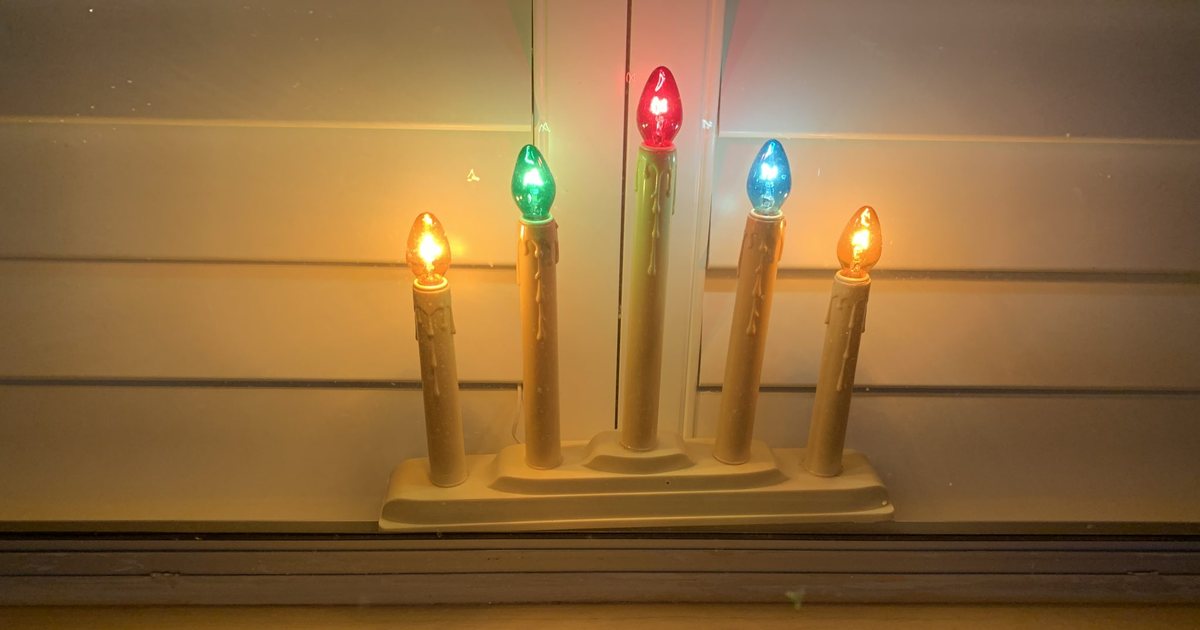
- Give their song one moment, not the whole day. Play it once, at a time everyone knows about: before the meal, during a toast, while someone lights a candle. Then go back to ordinary music.
- Keep the background music gentle and familiar, and leave out the handful of holiday songs that are literally about someone who isn't there ("Blue Christmas", "I'll Be Home for Christmas", "Miss You Most at Christmas Time"). Those are the ones that empty a room.
- Build the playlist yourself and listen to it first. Don't put a holiday station or an algorithm in charge of a day like this.
- Agree that anyone can turn it off or step out, no explanation needed.
The rest of this guide covers the conversation to have beforehand, gentle songs for the room, the songs to think twice about, and a setup that won't surprise anyone.
Who this is for
Someone in your family died this year. Thanksgiving is on Thursday November 26, Christmas is a month later, and you're the one hosting, or the one who always handles the music, or just the one who's worried about it.
Maybe your dad always put the Bing Crosby record on while he carved. Maybe your sister led "Silent Night" every Christmas Eve and nobody knows who should do it now. Maybe you're dreading the moment the radio plays the song from the funeral.
This guide is about the music at the gathering itself. If you're planning a service, our guide to celebration of life music is the one you want. If the person is still with you but living with dementia, see holiday music for a parent with dementia.
Talk about the music before the day
Grief counsellors keep giving the same piece of advice for the first holidays: plan them together, ahead of time. The hospice provider VITAS suggests a family meeting to talk about "the role your loved one played in your holiday traditions", then reviewing every holiday activity and deciding what to keep and what to change this year (VITAS Healthcare).
Music belongs on that list, because it's one of the traditions most tied to a person. A short text to the closest family a week out is enough. Ask three things:
- "Is there a song you want us to play for them?" One person's comfort is another's trigger, so ask more than one person.
- "Is there a song you can't hear yet?" Often it's the song from the funeral, or the carol they always sang.
- "Do you want the music on at all?" For some families a quiet house is right this year. That's allowed.
If someone used to do the music, singing a carol, playing piano or putting on the same record every year, decide out loud whether that tradition pauses this year, someone else takes it on, or it becomes the moment you remember them. Not deciding is what makes it awkward on the day.
Three ways to make room for them with music
Pick one. Doing all three in one afternoon is a lot.
1. Their song, once, at a set moment. Tell everyone beforehand: "Before we eat, we're going to play Mom's song." Then play it all the way through, with nothing else happening. Many families pair it with a candle, a photo or the empty chair at the table, which hospices often suggest as ways to include the person. When it ends, someone says a sentence or two, or nobody does, and you move on to the meal. Knowing it's coming is what makes it bearable.
2. A playlist of the music they loved, low in the background. Not holiday music, their music. The Motown, the country station, the musicals. It fills the house with them without anyone having to stop and be sad on cue, and it gets people telling stories ("he played this in the car every single Sunday"). Keep the volume at a level where people talk over it.
3. The carol they always led, sung by everyone. If one person used to start "Silent Night" or "O Holy Night", the whole family singing it together can be the most powerful thing you do all season. Agree ahead of time who starts it. Have the words on a phone or printed in case voices go.
Gentle songs for the room
These are calm, familiar and slow enough to sit under conversation. None of them is about a missing person, though a couple are bittersweet, which many grieving families find more honest than wall-to-wall cheer.
| Song | Recording to look for | Why it works this year |
|---|---|---|
| "Have Yourself a Merry Little Christmas" | Judy Garland (1944) | Written by Hugh Martin and Ralph Blane for Meet Me in St. Louis. The first draft was so sad that Garland and director Vincente Minnelli asked for a gentler version (Wikipedia). It's tender, but one line about being together next year can sting. Listen first. |
| "In the Bleak Midwinter" | Any choir, or a solo voice | Christina Rossetti's 1872 poem, usually sung to Gustav Holst's 1906 tune Cranham (Wikipedia). Slow and plain, no sleigh bells. |
| "It Came Upon the Midnight Clear" | Any traditional choir | Edmund Sears wrote it in 1849 during a low period in his own life, and one verse speaks directly to people weighed down and struggling (Wikipedia). |
| "Silent Night" | A choir, or a simple guitar version | The quietest carol most people know by heart. If your family sings it, this is the one to sing together. |
| "Somewhere in My Memory" | John Williams, from Home Alone (1990) | A gentle choral piece about Christmases remembered, by John Williams with words by Leslie Bricusse. It was nominated for the Academy Award for Best Original Song (Wikipedia). |
| "Christmas Time Is Here" (instrumental) | Vince Guaraldi Trio | Soft jazz piano from A Charlie Brown Christmas. Good under a meal because there are no words to catch on. |
| Their favourite carol, instrumental | Solo piano or guitar | Search the carol name plus "piano". The tune is there for anyone who wants it, without the words that might undo someone. |
If you want something for yourself rather than the room, for the drive home or the evening after, Joni Mitchell's "River" (from Blue, 1971) borrows the "Jingle Bells" melody and turns it into a minor key (Wikipedia). It's about a breakup, not a death, but it's the classic song for a Christmas you can't feel cheerful about.
Songs that hit harder than people expect
These are popular, they turn up on every holiday station and shuffle, and each one is about someone who isn't home. Leave them off the shared playlist unless the closest family has said they want them.
| Song | Why it lands hard |
|---|---|
| "Blue Christmas" (Elvis Presley, 1957) | The whole song is about Christmas without you. Written by Billy Hayes and Jay W. Johnson in 1948 (Wikipedia). |
| "I'll Be Home for Christmas" (Bing Crosby, 1943) | Written from the view of a World War II soldier overseas, and it ends with home existing "only in my dreams". The BBC once kept it off the air for fear it would lower troops' morale (Wikipedia). |
| "Please Come Home for Christmas" (Charles Brown, 1960; the Eagles, 1978) | A plea for someone to come back by Christmas (Wikipedia). |
| "Miss You Most (At Christmas Time)" (Mariah Carey, 1994) | From the same Merry Christmas album as "All I Want for Christmas Is You", so it turns up on the same playlists (Wikipedia). |
| "Grown-Up Christmas List" (Amy Grant, 1992) | A Christmas wish list for the things presents can't fix (Wikipedia). |
| "The Christmas Shoes" (NewSong, 2000) | The story of a boy buying shoes for his dying mother. A No. 1 Adult Contemporary hit, so it still gets radio play (Wikipedia). Very hard for a family that lost a mother this year. |
| "Auld Lang Syne" | For New Year's Eve. "Should old acquaintance be forgot" is a hard question at midnight in the first year. |
None of these is wrong to play. Some families want "Blue Christmas" because it says exactly how they feel. The point is that it should be a choice, not a surprise from shuffle.
When a song catches someone off guard
It will probably happen at least once, in the car, at the store or at a party. A few things help:
- Agree on a no-questions exit. "If you need a minute, just go. Nobody will follow you unless you want them to." VITAS also suggests going only to the gatherings you want and leaving when you're ready (VITAS Healthcare).
- Skip the song, quietly. If it's your playlist, skip it without comment. Don't apologise across the room; it puts a spotlight on the person who's upset.
- Let it be a story if they want. Sometimes the song makes someone laugh: "She sang this so badly." Follow their lead.
- Brief the kids. Children notice when an adult cries at a song. A simple "Grandpa's song makes me miss him, and that's OK" is enough.
- Have your own escape playlist. Something calm and not holiday-themed on your phone, with headphones, for the drive or a walk around the block.
Setting it up in Trending Music
Trending Music is our app, so weigh this accordingly. It's free, with ads, and it plays every song in this guide. If you already pay for Spotify or Apple Music, use that; the plan works the same anywhere.
- Make a playlist named after them. "Dad's songs", "For Nana". Search a song, tap ••• on its row (or press and hold it), choose Add to Playlist, then New Playlist. Add the rest the same way. The playlist guide has more detail.
- Let the family add theirs. In the Library tab, open Playlists, tap + and choose New Collaborative (it needs a free Trending account). Then tap ••• on the playlist and choose Invite friends to send the link to the family group chat. Cousins who can't travel this year can add the song that reminds them of the person. As the owner, you can Lock playlist from the same menu once it's done, so nothing new appears on the day. More in our collaborative playlist guide.
- Play their song together, apart. For relatives who can't be there, the same ••• menu on a collaborative playlist has Start a Jam: everyone who joins hears the same song, in sync, on their own phone. It's a way for a sister across the country to be in the room for the one song.
- Listen to every version first. A search turns up many recordings of each song. Play the start of each one so you have the singer you meant, not a live version with a long intro or a parody.
- Turn off Autoplay in the app's Settings > Playback. It's on by default and keeps similar music playing when your playlist ends, and "similar" is exactly how a song like "Blue Christmas" sneaks in.
One honest catch: the free version plays an occasional ad between songs, and the music pauses while it's on. Right after a candle lighting, that can be jarring. Premium removes the ads. If the person's song is the one moment that has to go perfectly, play it on its own, or from a service you already pay for.
Moments to turn the music off
- During a prayer, a grace or a toast. Off, not down. (If your family sings grace, our Thanksgiving grace songs guide has the short ones.)
- When someone starts telling a story about them. That's the moment. Let the room be quiet for it.
- When someone can play or sing. A grandchild on the piano or a cousin with a guitar beats any recording.
- When the house feels better quiet. Some families find the silence where the person's music used to be is too loud, and some find the music is. You'll know which within an hour. Go with it.
Is it wrong to play Christmas music the year someone died?
No. There's no rule, religious or otherwise, against it, and many families find the familiar songs comforting. The only thing to avoid is surprising people. Ask the closest family what they want, keep the songs about missing someone off the shared playlist, and let anyone step out.
What song can we play to remember someone at Christmas?
The best choice is a song they loved, holiday or not. If you want a holiday song, gentle choices are "Silent Night", "In the Bleak Midwinter", "Somewhere in My Memory" or an instrumental version of their favourite carol. Play it once, at a moment everyone knows is coming, rather than in the background.
What is a Blue Christmas service, and when is it in 2026?
A Blue Christmas or Longest Night service is a quiet church service for people who are grieving during the holidays. Many Catholic, Anglican, Lutheran, Methodist and Reformed churches hold one on or around December 21, the longest night of the year (Wikipedia). In 2026, December 21 is a Monday, so check your local churches for the exact date. You don't usually need to be a member to go.
What if I can't face holiday music at all this year?
Then skip it. Play their music, or other music you love, or nothing. Holiday music will still be there next year. VITAS's advice for the first holidays includes this reassurance: "your fear of the holidays may be worse than the reality" (VITAS Healthcare). If it isn't, and the grief feels like more than you can carry, talk to someone. In the US you can call or text 988, the Suicide & Crisis Lifeline, any time (988lifeline.org). Many hospices also run free grief support groups, even if your person wasn't in their care.
Make the playlist this week
Send the family text tonight: one song for them, one song nobody can hear yet. Build the playlist from the answers, listen to it once on your own, and decide the one moment their song will play.
For the rest of the dinner, our Thanksgiving dinner music guide covers volume and timing so the table can talk.